
Quote List
No Products Selected Yet
⸻
Global Trade Fragmentation and Its Impact on Footwear Wholesale Supply Chains
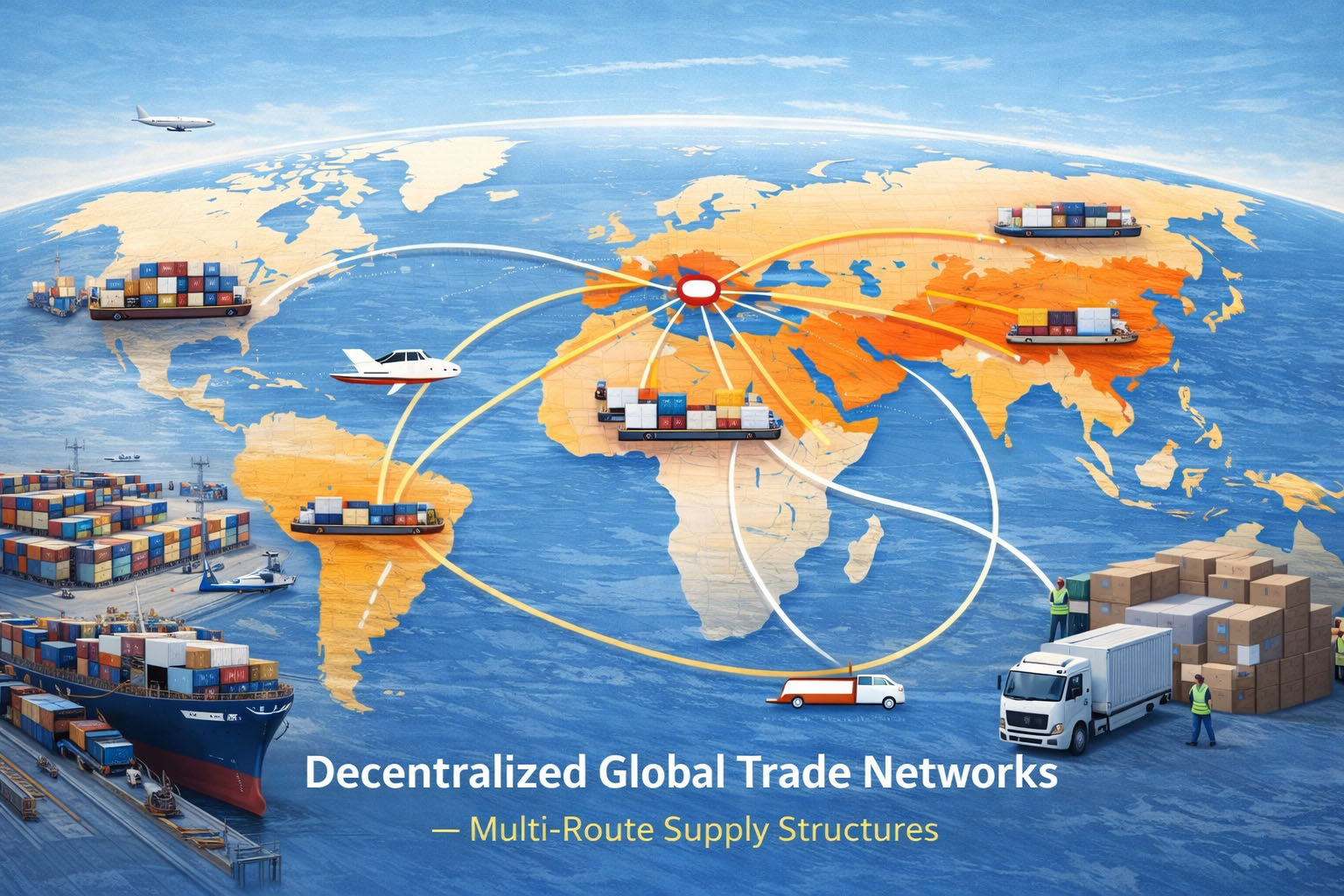
In recent years, global trade has been shifting away from fully integrated systems toward more fragmented and regionally structured networks.
For footwear wholesale distributors, this transition is not theoretical — it directly impacts sourcing, logistics coordination, and supply stability.
⸻
What Is Trade Fragmentation
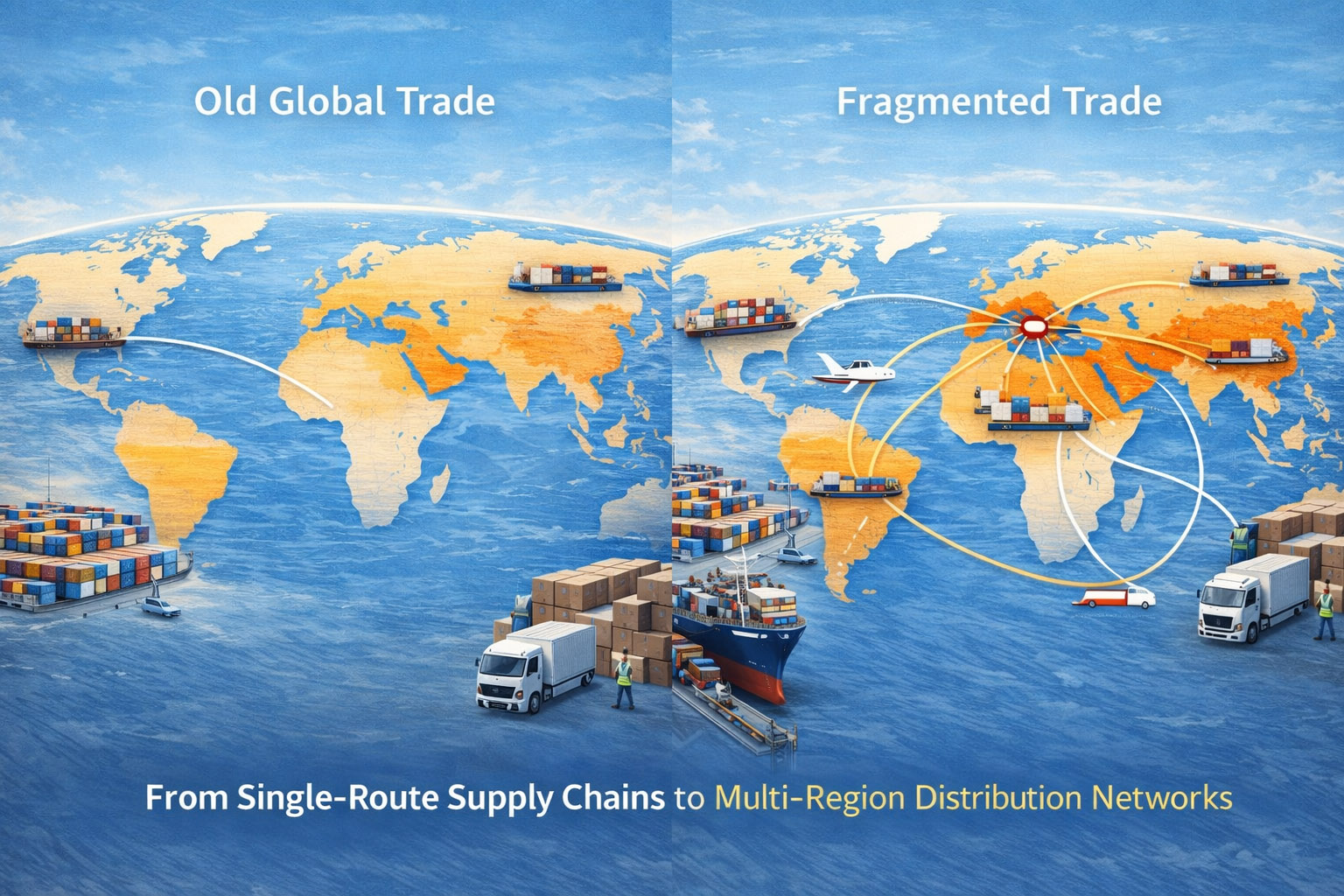
Trade fragmentation refers to the gradual shift from globally integrated trade systems toward more regionally organized and segmented networks.
This transformation is driven by several structural factors:
• increasing regionalization of trade flows
• policy and regulatory differences across markets
• diversification of supply chains across multiple regions
Instead of a single unified global system, trade is now structured around interconnected regional networks.
⸻
How It Affects Footwear Wholesale
For footwear wholesale operations, trade fragmentation introduces several operational challenges:
• multiple logistics routes replacing single-route shipping
• cost fluctuations driven by tariffs, freight rates, and regional policies
• less predictable delivery timelines
• more distributed and complex supply chain structures
As a result, wholesale operations must move beyond simple execution and toward structured coordination.
⸻
The Risks for Retailers
From a retail perspective, fragmented trade environments create direct operational risks:
• increased likelihood of stock shortages due to supply disruptions
• less predictable replenishment cycles
• inventory instability caused by irregular supply patterns
Without stable wholesale systems, retailers may struggle to maintain consistent product availability.
⸻
Why Structured Wholesale Becomes Critical
In fragmented trade conditions, structure becomes a core requirement rather than an option.
Wholesale systems that rely on reactive or unstructured processes often face inconsistency and disruption.
By contrast, structured wholesale operations introduce stability through coordinated mechanisms such as:
• batch-based dispatch systems for controlled shipment cycles
• structured sourcing processes to ensure production alignment
• coordinated logistics planning across multiple regions
These systems enable consistent supply even in unstable external environments.
⸻
Strategic Adaptation in Fragmented Trade
To operate effectively within fragmented global trade systems, wholesale distributors must adopt structured strategies:
• multi-region allocation to distribute supply risk
• batch-based shipping to improve logistics coordination
• route optimization across multiple trade corridors
• development of stable and repeatable supply systems
These strategies allow businesses to adapt without sacrificing operational stability.
⸻
Conclusion
In an increasingly fragmented global trade environment, stability in wholesale distribution is no longer achieved through scale alone, but through structured operational design.
⸻